- Players
- 2–4
- Minutes
- 40–50
- Age guide
- 12+
 Larunovelarunove.proTABLETOP / AU
A collection of physical strategy games, priced from A$59.90 in AUD. Compare lake positioning, a token economy and celestial routes; inspect each edition and place your request with Larunove.
01 / Editions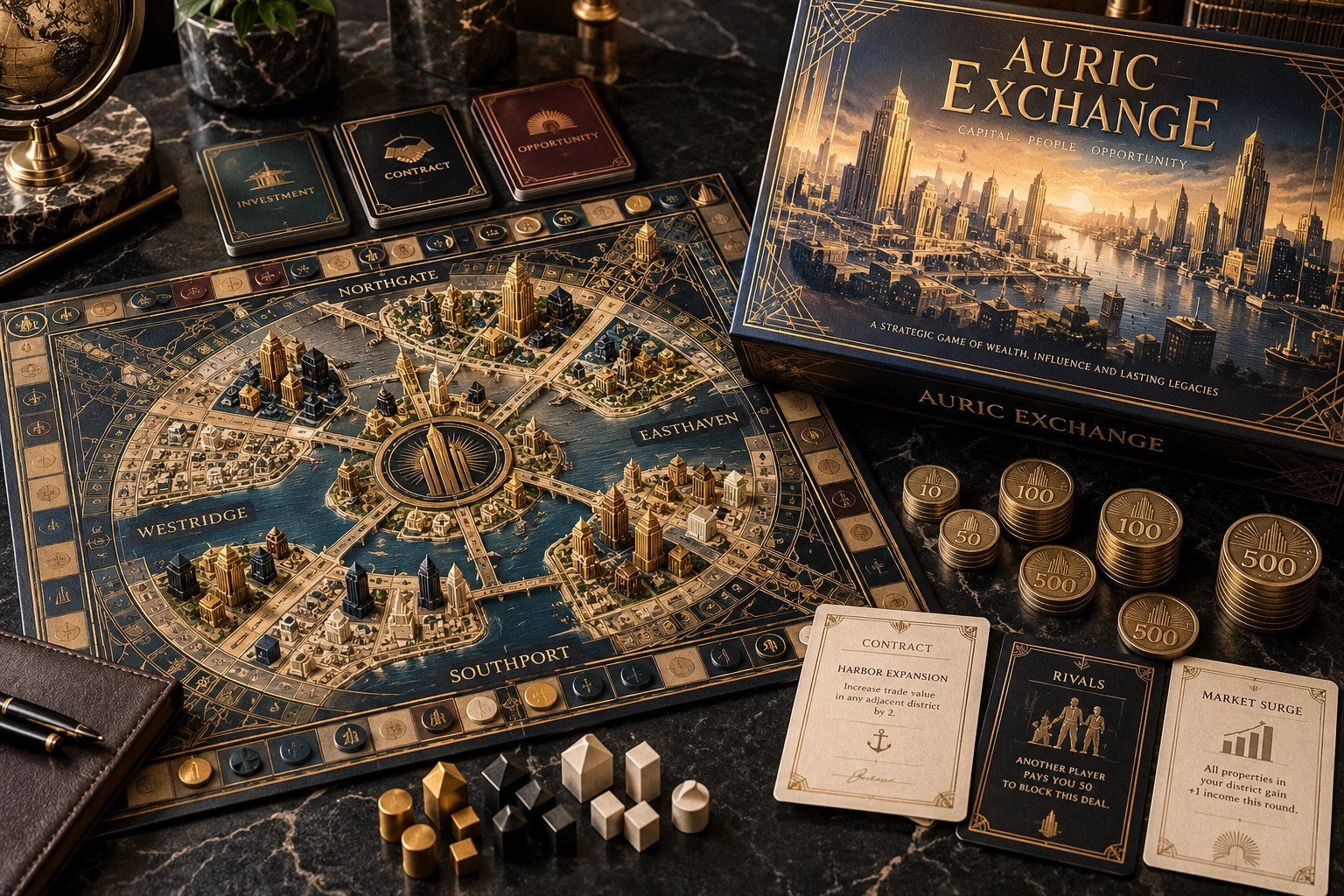
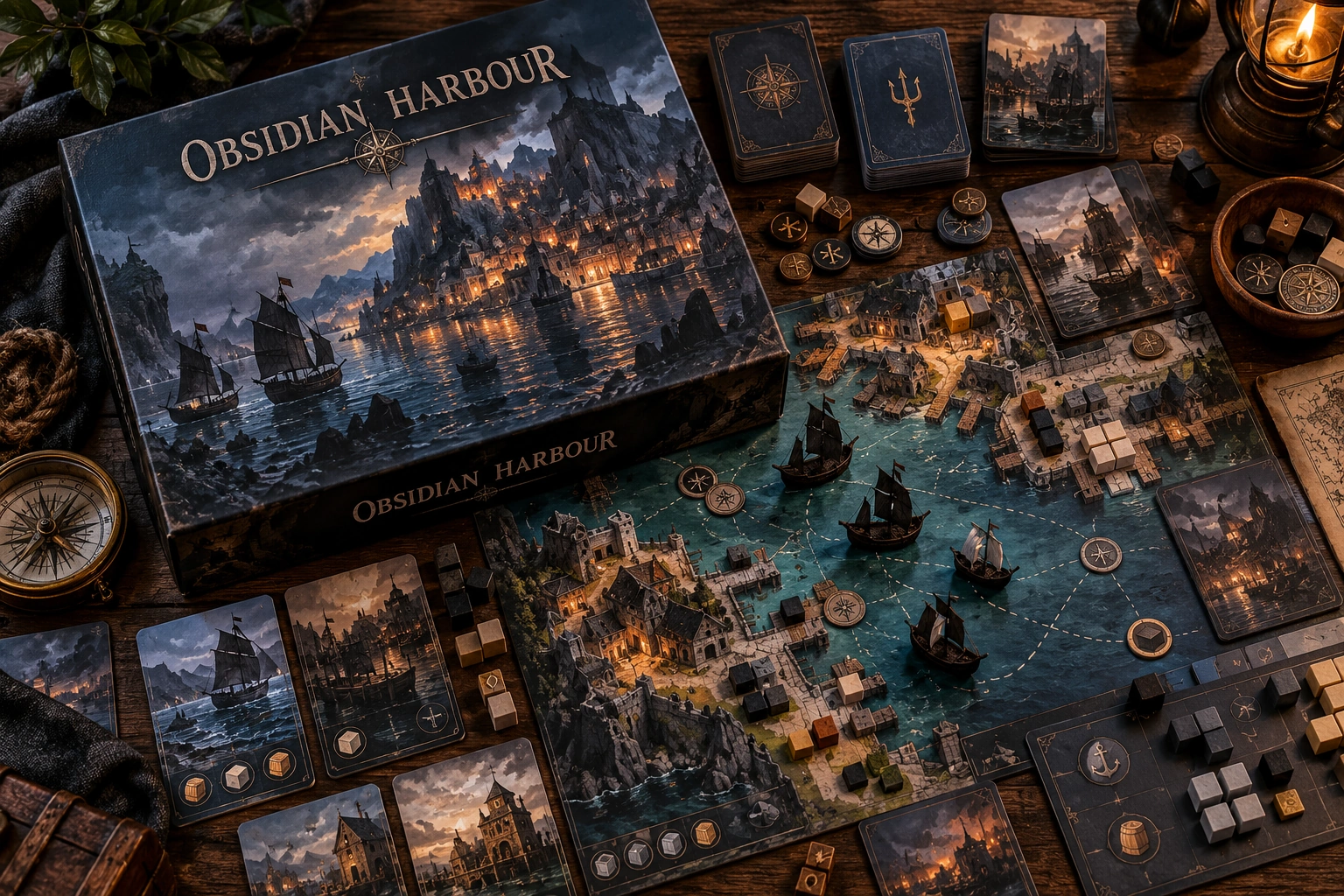
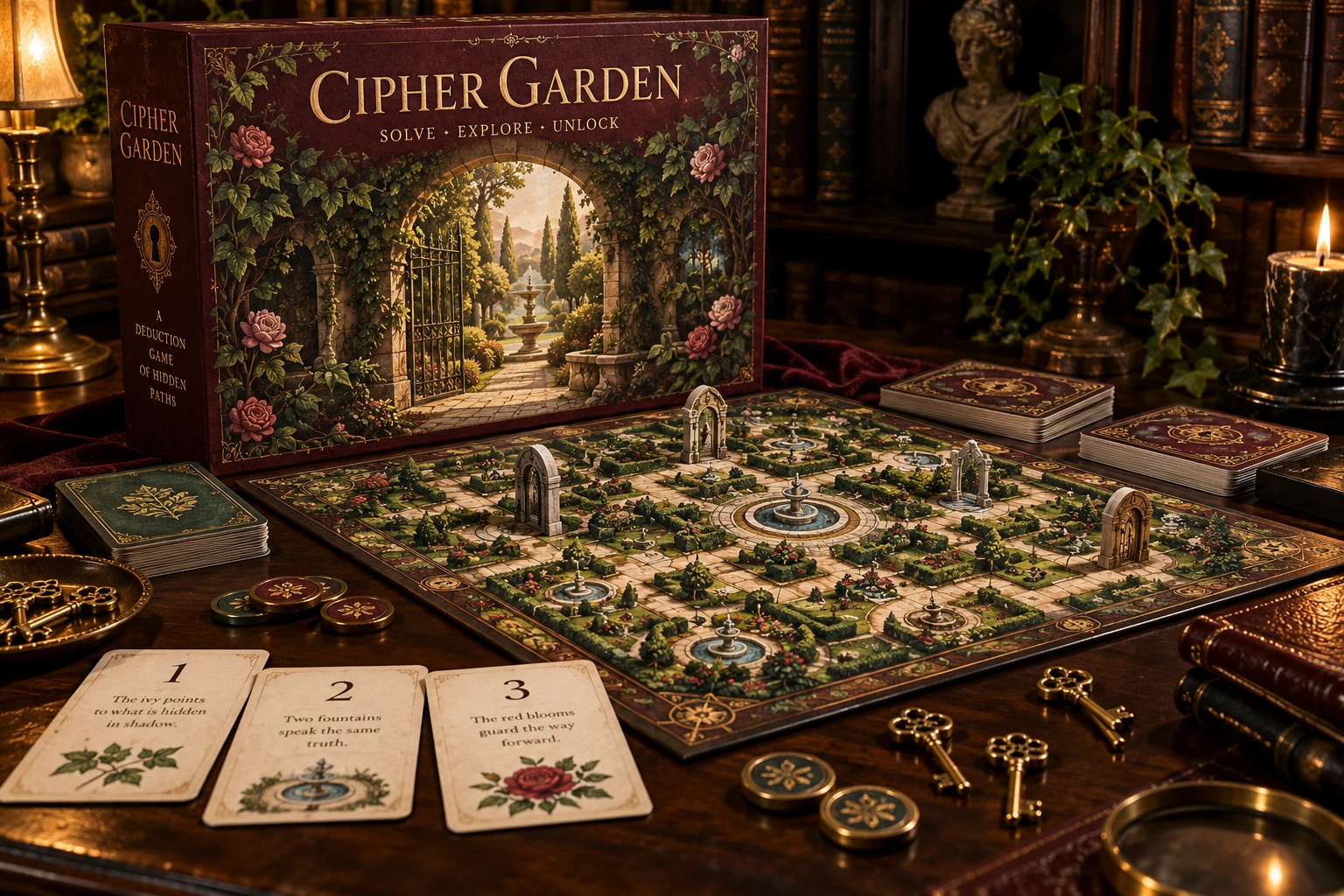
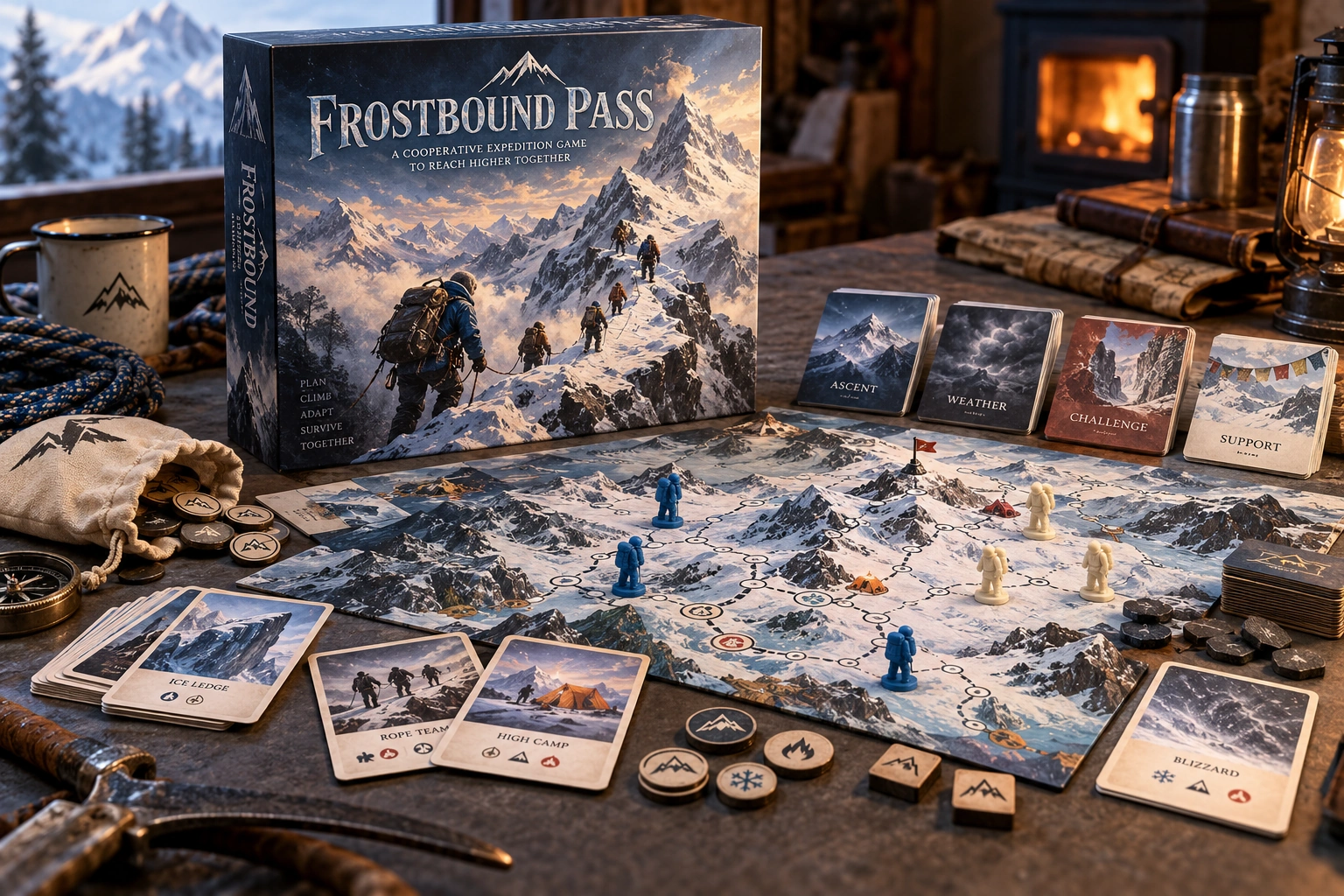
Larunove is the tabletop shop operating at larunove.pro. This collection is organised around three forms of commitment: selecting a fishing position, allocating a limited reserve and connecting a route. Each offers a system to understand rather than a theme alone.
Inspect the player range, duration and components beside each edition. Compare the choices below, then submit an order request through the selection page. Catalogue amounts and delivery charges are stated in Australian dollars.
The comparison describes the focus of play. It is not a numerical difficulty score or a substitute for the printed rules.
| Edition | Central constraint | At the table | Guide |
|---|---|---|---|
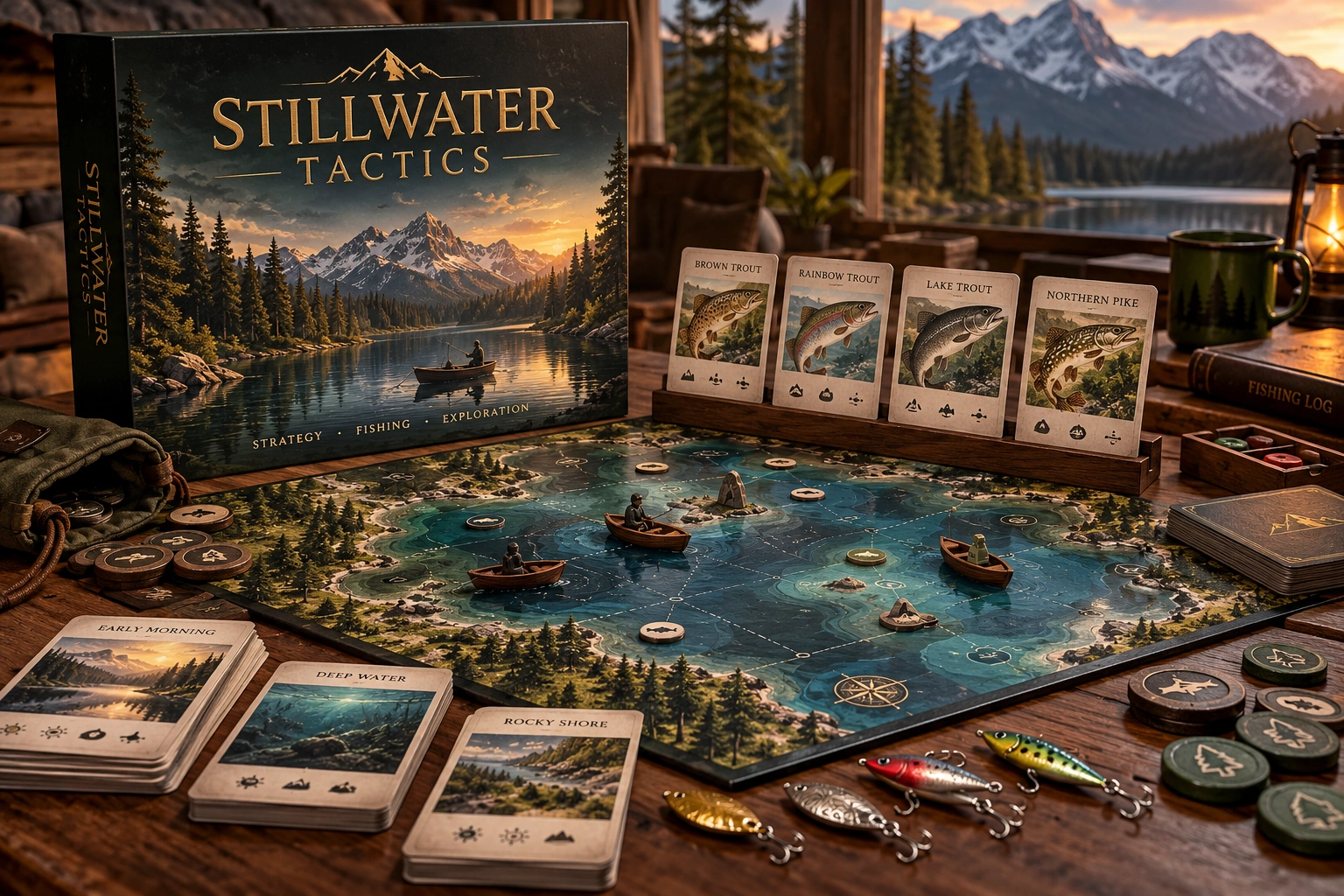
| Stillwater Tactics | Limited actions; changing lake conditions | Read the common position before committing tackle | 2–4 players 40–50 min / 12+ |
| Auric Exchange | A reserve that must support the next exchange | Connect resource purchases to available contracts | 2–4 players 45–60 min / 12+ |
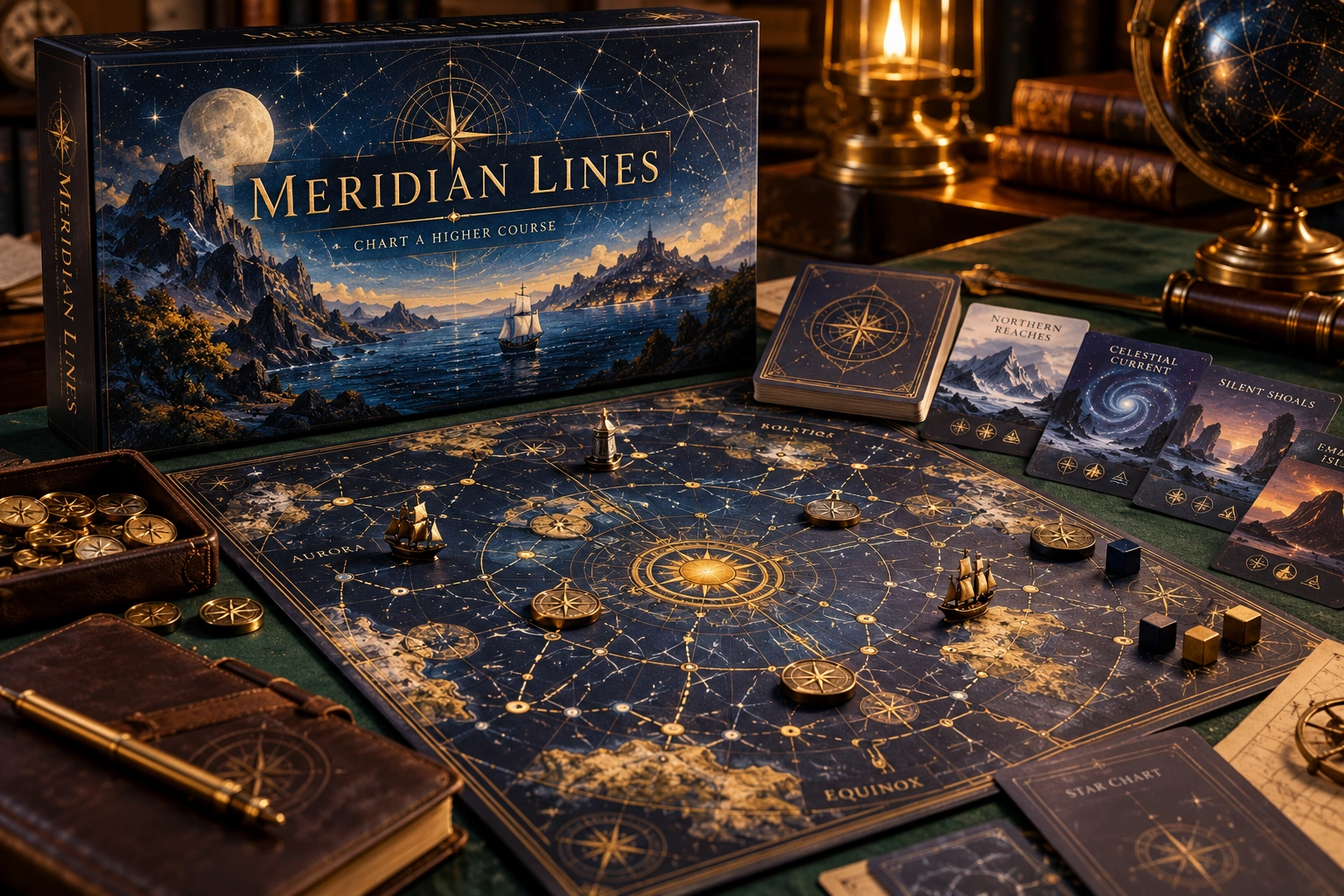
| Meridian Lines | Routes compete for useful observations | Balance the direct path against later connections | 1–4 players 35–45 min / 10+ |
Choose Stillwater for positional reading, Auric for resource sequencing, or Meridian for spatial connections and a solo option. If your group has less than 45 minutes, allow extra learning time or choose a later session for Auric Exchange.
Consider two areas of the lake. One has an attractive catch, but reaching it uses movement and requires tackle you must commit. The other is less ambitious and closer to your current position. Neither is automatically the stronger choice.
Start by reading the conditions that everyone can see. Then inspect what your available cards support. Stillwater Tactics draws its tension from connecting those two kinds of information within limited actions. Movement is useful when it serves a cast; movement without a supported next step can consume your flexibility.
Evaluate the whole sequence, not the destination in isolation.Examine Stillwater Tactics
Knowing what brings a game to a close gives its earlier decisions context. Use the printed rules for the exact scoring and ending procedure; the product-page sequence is a concise orientation.
Keep the exchange, lake or map visible to the whole table. Give each player a clear space for cards and markers so a question about the position can be answered by looking.
Trace a contract back to the resources it needs, or a route back to the observation it serves. One worked example can make later decisions more deliberate without prescribing a winning strategy.
Meridian Lines includes a solo guide and supports one to four players. Stillwater Tactics and Auric Exchange are designed for groups of two to four.
It is a guide to the intended audience. A player’s reading comfort, attention and familiarity with planning games also matter. Read the decision sequence and component inventory together before choosing.
No. Auric Exchange uses coin tokens as resources within a tabletop economy. They have no cash value, and the game does not provide real-money staking or rewards.
A game can offer difficult choices without a large vocabulary of exceptions. Look for what limits your options: actions, information, position or a resource that has several competing uses.
The depth of a decisionBefore play, identify the public objectives, the resources each participant controls and the point at which the game ends. Everyone should understand which information is visible and which decisions remain uncertain.
Preparation as part of play